Business systems
Applications that fit the way your teams operate
Role-based portals, approvals, document management, operational dashboards and process-specific workflows.
- User permissions
- Audit trails
- Workflow approvals
- Reporting and exports
Custom applications, connected systems and SaaS platforms engineered for the workflows you have today — and the scale you need tomorrow.
Manual handovers. Duplicate data. Reports assembled from spreadsheets. Systems that don't communicate. The answer isn't always another subscription — sometimes it is software designed around your operation.
PSCS can help scope, design and engineer an application around real users, business rules and integration needs.
SEE WHAT YOU CAN BUILD ↗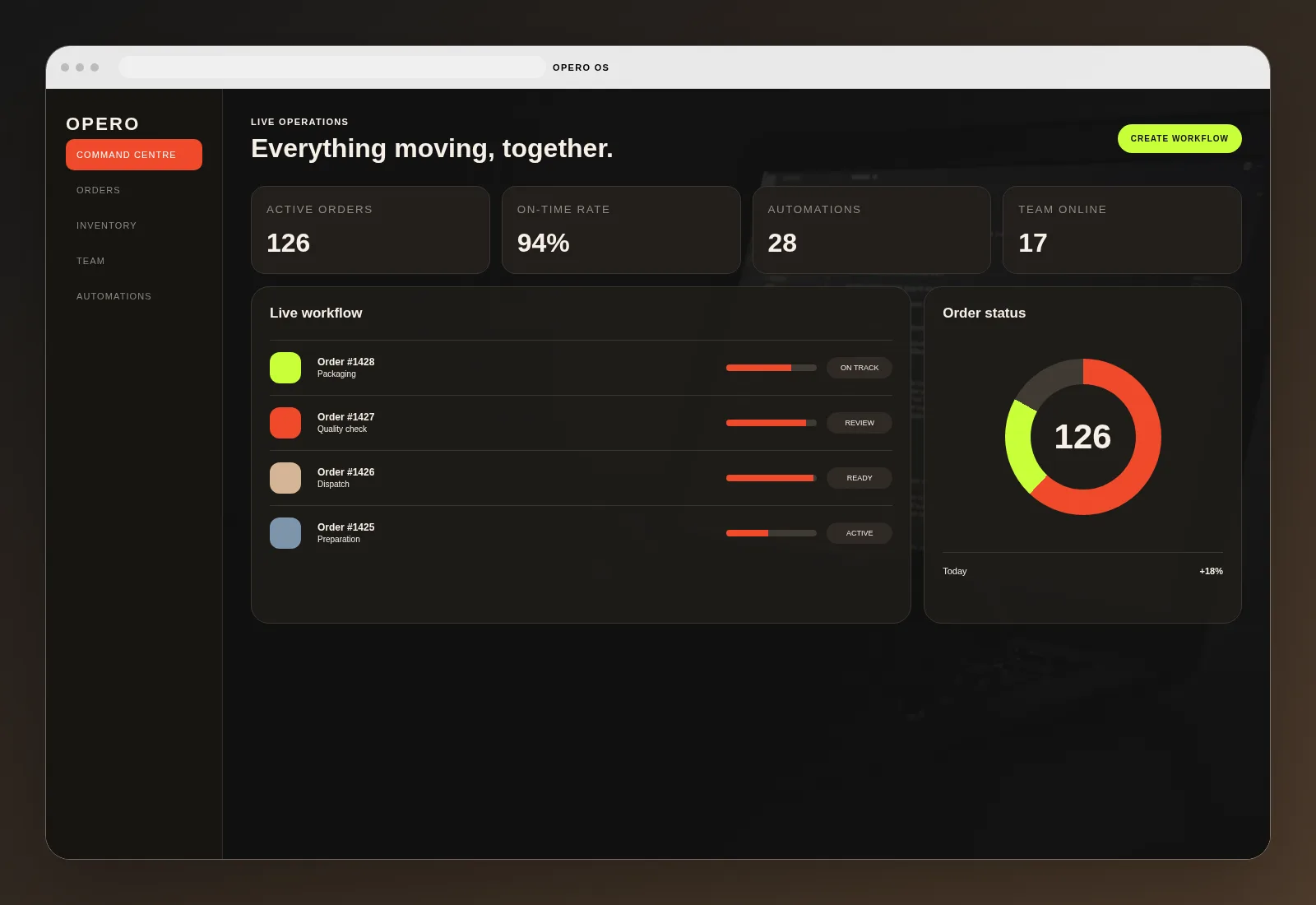
Bring customer activity, operational tasks, approvals and reporting into a purpose-built system. Define access by role, automate repetitive handovers and keep an audit trail of important actions.
Illustrative scenario: a sales enquiry becomes a quotation, an approved order and a fulfilment task — without manually copying the same details between teams.
EXPLORE DEVELOPMENT SERVICES ↗Applications that fit the way your teams operate
Role-based portals, approvals, document management, operational dashboards and process-specific workflows.
Connect sales, customers and internal teams
Custom CRM, ERP modules, procurement, HR and inventory workflows built around the business rules that matter.
From first release to scalable platform
Multi-tenant architecture, subscriptions, user administration, APIs, product dashboards and phased feature releases.
Make existing systems work together
Connect your software with payment providers, ERP and CRM platforms, logistics software and internal tools, subject to available APIs.
Move away from fragile legacy workflows
Review existing applications, map dependencies and plan controlled upgrades or migrations without disrupting essential operations.
Maintain, improve and evolve
Planned releases, bug resolution, performance optimization, monitoring and security updates aligned with a documented support scope.
Sales: capture leads, route approvals and track conversions.
Operations: assign jobs, manage stock and record fulfilment.
Finance: generate invoices and synchronize transactions.
Management: view accurate dashboards and exceptions.
These are illustrative use cases — the actual modules and interfaces are defined after discovery.
DISCUSS YOUR REQUIREMENTS ↗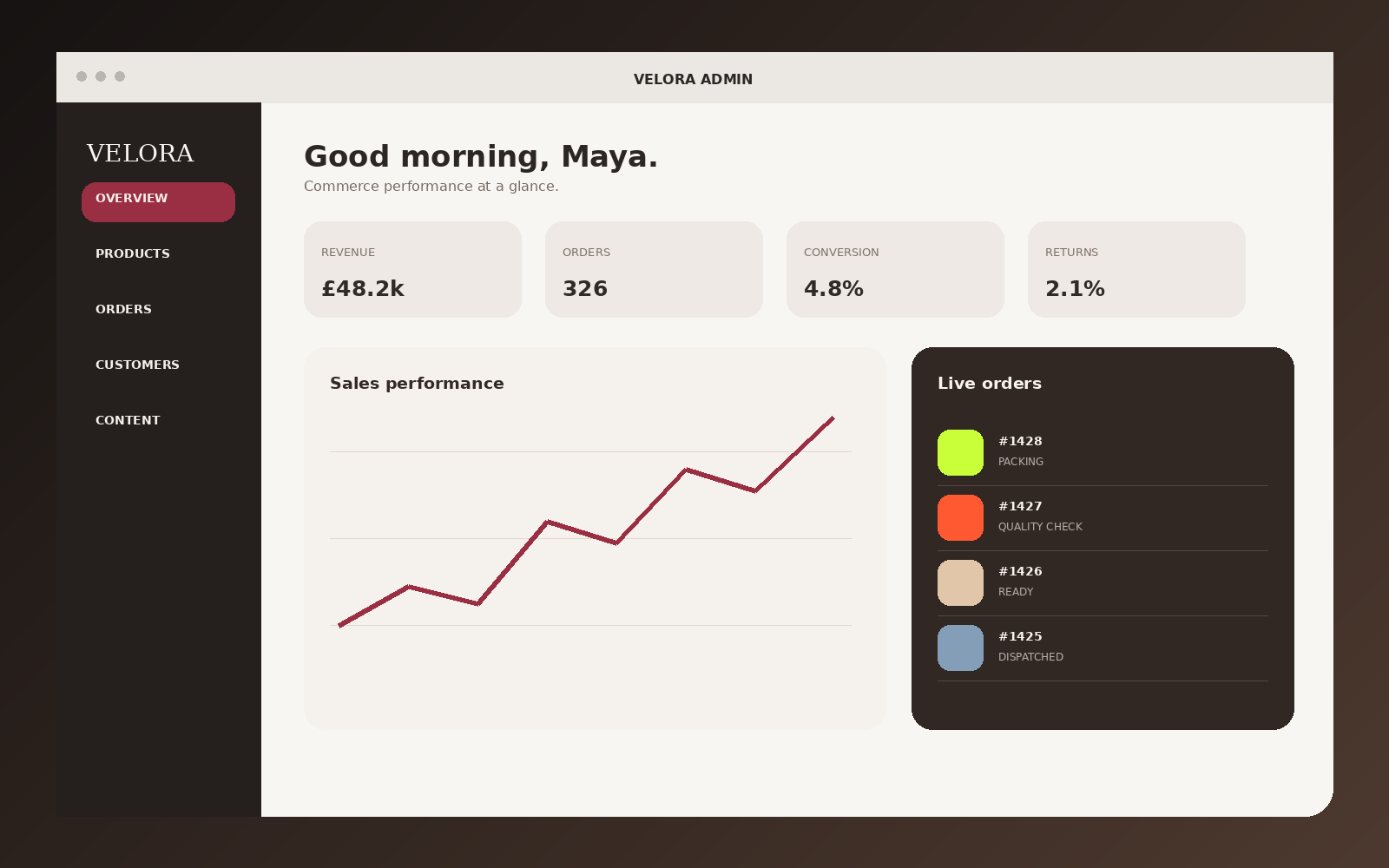
Goals, stakeholders, user roles, workflows, existing software, integrations and success criteria.
Prioritized requirements, user journeys, architecture, deliverables, dependencies and proposed milestones.
Iterative implementation, reviews, functional and integration testing, and user acceptance.
Release readiness, data migration where needed, handover, documentation and agreed maintenance.
The examples below use project assets already included in the PSCS website. Review their published case studies for the stated scope. No unverified performance figures have been added.

Explore the existing project presentation and its visual approach.
VIEW PROJECT ↗
Explore the existing project presentation and interface examples.
VIEW PROJECT ↗For Custom Software Development & Enterprise Applications, the answer depends on the existing environment, commercial requirements and approved scope. Cost depends on users, modules, integrations, security requirements and the complexity of existing systems. PSCS can provide a scoped estimate after a requirements discussion; this page does not advertise an unsupported fixed price.
For Custom Software Development & Enterprise Applications, the answer depends on the existing environment, commercial requirements and approved scope. A useful timeline starts with discovery and scope confirmation. Small initial releases and large enterprise implementations have different delivery plans. Milestones are proposed after requirements, integration dependencies and approval processes are understood.
For Custom Software Development & Enterprise Applications, the answer depends on the existing environment, commercial requirements and approved scope. Integration feasibility depends on the external system, available APIs, access rights and data quality. We can review those dependencies during discovery and propose a practical integration path.
For Custom Software Development & Enterprise Applications, the answer depends on the existing environment, commercial requirements and approved scope. Ownership, licenses, data portability and handover should be explicitly defined in the project agreement. Ask for those terms in the proposal rather than relying on an assumed standard.
For Custom Software Development & Enterprise Applications, the answer depends on the existing environment, commercial requirements and approved scope. The agreed delivery plan should define functional tests, integration checks, UAT, deployment responsibilities, documentation, user training and handover. Security and performance testing can be scoped according to project risk.
For Custom Software Development & Enterprise Applications, the answer depends on the existing environment, commercial requirements and approved scope. Maintenance, monitoring, incident response and enhancement work can be planned as a separate ongoing scope, with response commitments agreed contractually.
Plan subscription-ready products and multi-tenant applications.
EXPLORE SAAS DEVELOPMENT ↗See business workflows and operational systems that can be built.
EXPLORE SOLUTIONS ↗Explore practical questions about custom software development & enterprise applications, from functionality and implementation to integrations, cost, security and ongoing support.
Tell us what is not working, which systems you use today and what you want to achieve. Start with a project discussion — no invented promises, no generic package.
DISCUSS YOUR SOFTWARE PROJECT ↗